Understanding Electrical Panel Upgrades: When & Why You Need One
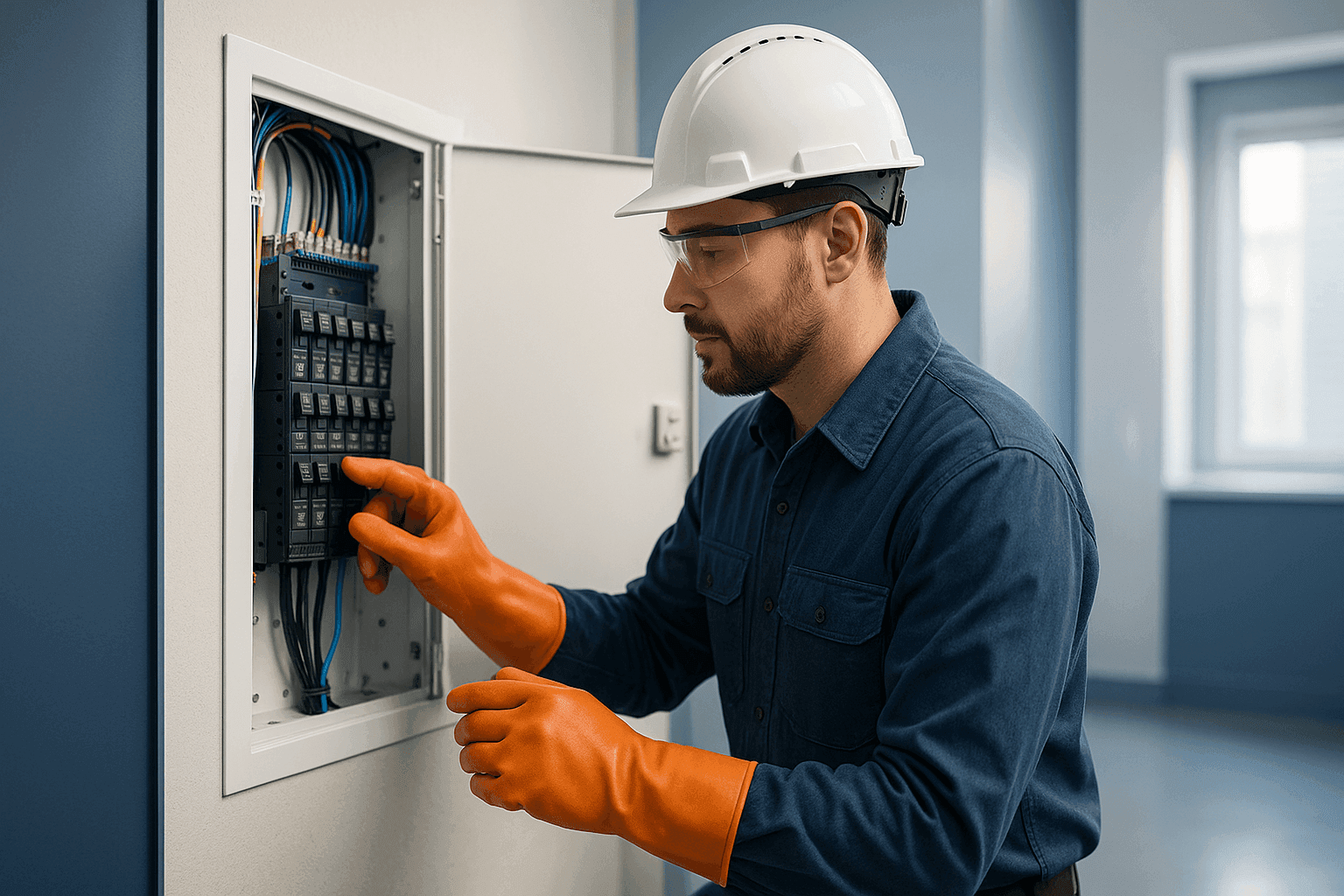
Is your home or business feeling stuck in the past every time the power flickers or a breaker trips? You’re not alone. Many buildings around you rely on electrical panels that are working overtime—often with wiring older than some cars on the road.
At PowerUp Electrical, we’ve seen firsthand what happens when panels are pushed beyond their limits. We know what safe, modern electricity means: comfort, efficiency, and peace of mind. Let’s talk about why upgrading your electrical panel is more than just a technical upgrade—it’s a smart step for your safety and future.
What Is an Electrical Panel? ⚡
Think of your electrical panel as the heart of your property’s power system. It takes electricity from the utility company and distributes it through circuits—the veins and arteries of your home or business. Each breaker acts like a gatekeeper, shutting off power if there’s too much demand, preventing wires from overheating.
Panels come in different shapes and sizes, but their job is always the same: organize and protect the power flowing to everything from your kitchen lights to your EV charger. If your panel is outdated, it’s like running a marathon with a heart that’s seen better days.
Signs You Need an Upgrade
How do you know when it’s time to swap out your old panel for a new one? Here are the biggest warning bells:
- Flickering or dimming lights (especially when appliances turn on)
- Frequent breaker trips or fuses that blow for no clear reason
- Burning smells or visible scorch marks around the panel
- Old-school fuse boxes (common in homes built before the 1970s)
- Warm or buzzing panel covers
- Additions of modern appliances—think air conditioning, EV chargers, or home automation systems
- Outdated brands like Federal Pacific, Zinsco, or panels with cloth wiring
Safety Risks of Outdated Panels
An old or overloaded electrical panel isn’t just inconvenient. It can be dangerous. Over time, connections loosen, insulation wears, and the risk of electrical fires climbs. According to the National Fire Protection Association (NFPA), faulty electrical distribution systems are a leading cause of house fires in North America.
If your panel is struggling to keep up, it’s not just your lights at risk. It’s your safety, your devices, and even your home’s insurance compliance.
Panel Upgrade Costs
Upgrading your electrical panel is an investment, not just a quick fix. But what should you expect?
- Property size and age: Larger homes and older buildings often require more extensive rewiring.
- Code requirements: Local electrical codes change over time. Upgrades must meet today’s standards.
- Amperage needs: Modern homes typically need at least a 200-amp panel to handle new appliances and electronics.
- Special features: Adding surge protection, sub-panels, or integrated smart systems can affect costs.
Typical panel upgrades fall within a few thousand dollars, but the range varies depending on complexity, accessibility, and whether any re-wiring near you is needed. Remember: a licensed electrician should always handle this work for safety and code compliance.
Benefits of Upgrading
Why bother with an upgrade? The benefits go far beyond flipping a switch:
- Enhanced safety: Modern panels reduce the risk of electrical fires and shock.
- Support for new tech: Safely run EV chargers, smart devices, and high-powered appliances.
- Fewer disruptions: Say goodbye to frequent trips and power interruptions.
- Energy efficiency: Newer panels are designed for today’s energy standards, reducing waste.
- Higher property value: Buyers love knowing the home or business is up-to-date.
How the Upgrade Process Works
Curious about what happens when you call an electrician for a panel upgrade? Here’s the step-by-step:
- Assessment: A licensed electrician inspects your current panel, wiring, and power usage.
- Planning: We determine the right panel size and features for your needs, making sure everything meets local codes (such as the National Electrical Code—NEC).
- Permitting: The upgrade is permitted through your local authority, ensuring legal compliance.
- Power shutoff: Temporary power disconnection is coordinated with your utility provider.
- Panel replacement: The old panel is removed. New wiring, breakers, and safety devices are installed.
- Inspection: A final check by the city or county inspector ensures everything is safe and up to code.
- Power restored: Your property is back online, ready for the demands of modern living.
Practical Tips for Homeowners & Businesses
- Don’t ignore the warning signs—small issues rarely fix themselves.
- Keep an eye on your panel’s age—most last 25–40 years before needing an upgrade.
- Always use a licensed electrician for upgrades or inspections. DIY mistakes can be costly and dangerous.
- Schedule regular electrical safety inspections (every 3–5 years or after major renovations).
- Ask about surge protection and backup power solutions for added peace of mind.
References to Authoritative Sources
For more details on electrical safety standards and code requirements, the National Fire Protection Association (NFPA) and your local electrical authority are reliable resources. The National Electrical Code (NEC) sets the benchmark for panel upgrades across North America.
Ready for a Safer, Smarter Home?
If your panel is showing its age or you’re adding new technology—don’t wait for a blackout or worse. At PowerUp Electrical, we make electrical upgrades simple, safe, and future-proof.
Call PowerUp Electrical now — or reach us anytime at 877-754-7551 .