Electrical Safety Inspection Checklist: Protect Your Home & Business
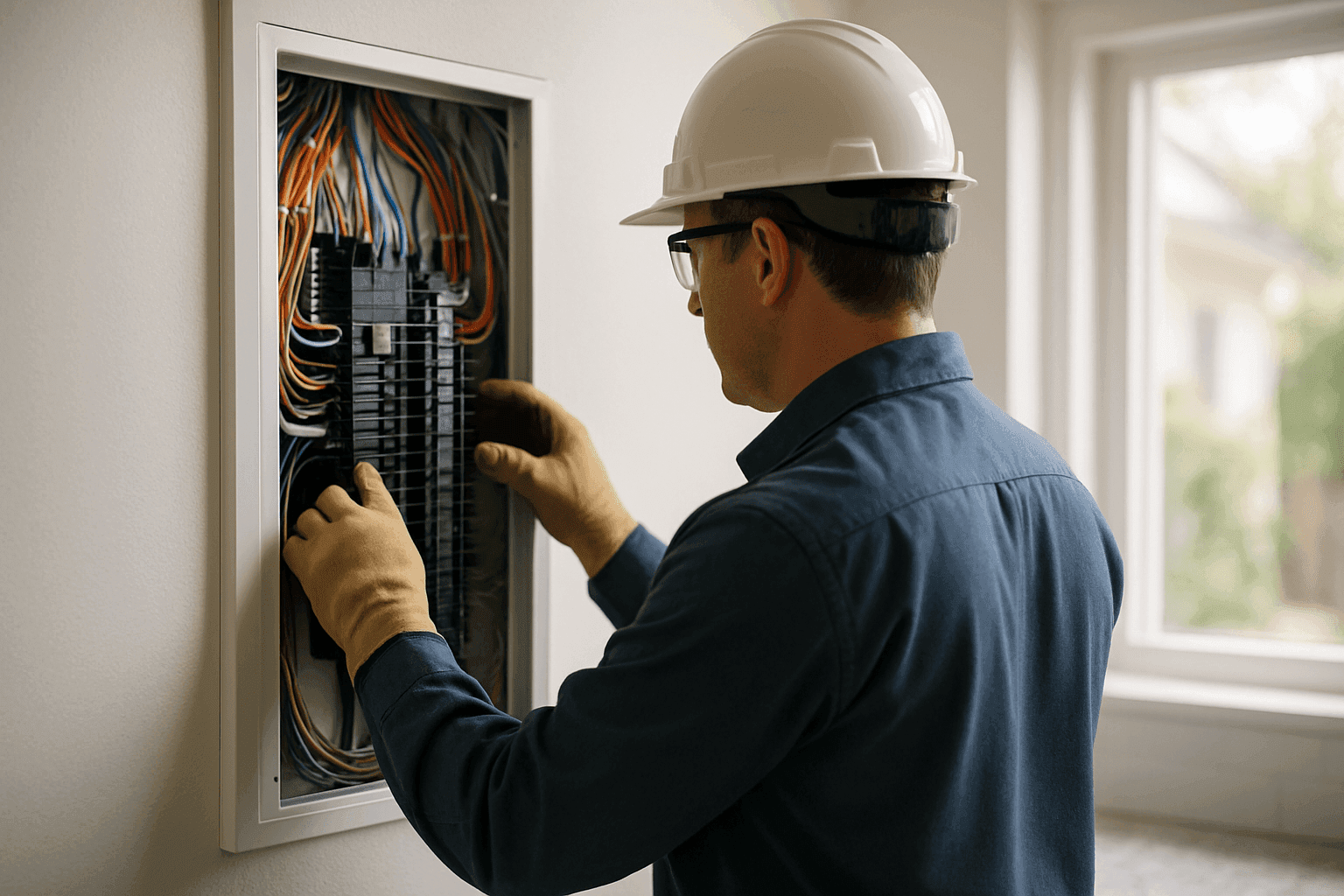
Is your home or business truly safe from electrical hazards? The wires, panels, and outlets hidden behind your walls work hard every day, but small issues can quietly grow into major threats. Whether you’re a homeowner or run a busy office, routine safety inspections aren’t just a box to check—they’re your shield against fires, outages, and costly repairs.
At PowerUp Electrical, we know that electrical safety isn’t just about following rules. It’s about protecting the people and property that matter most to you. Here’s what you need to know.
Why Electrical Safety Inspections Matter ⚡
Imagine your electrical system as the circulatory system of your building. If there’s a blockage or weak point, the consequences can be life-altering. Electrical faults are a leading cause of fires in both homes and businesses, according to the National Fire Protection Association (NFPA). Inspections help spot the warning signs early—before a small spark becomes a disaster.
Regular electrical safety inspections:
- Prevent fire risks by catching frayed wires or overloaded circuits.
- Keep your property compliant with local building codes and insurance requirements.
- Protect appliances and sensitive equipment from power surges or faulty wiring.
- Offer peace of mind, knowing your space is safe for family, employees, and customers.
And here’s the bottom line: A certified electrician’s inspection isn’t just about ticking boxes. It’s about catching hidden problems that could cost you far more than the price of an inspection.
Key Areas Professionals Check
When PowerUp Electrical’s licensed electricians arrive, they follow a thorough checklist. Here’s what gets close attention:
- Wiring & Circuits: Looking for frayed insulation, corrosion, loose connections, or signs of overheating.
- Panels & Breakers: Ensuring breakers are sized correctly and panels are free of rust, moisture, or pest damage.
- Outlets & Switches: Testing for proper grounding, secure fittings, and any discoloration (a sign of overheating).
- Safety Devices: Verifying smoke detectors, carbon monoxide alarms, GFCIs, and AFCIs are correctly installed and functional.
- Surge Protection: Checking whole-house or facility surge protectors.
- Specialty Systems: Inspecting pool & spa wiring, EV chargers, generators, and low/high-voltage systems.
Common Hazards Found
Even newer buildings aren’t immune to electrical issues. Here’s what inspectors often find:
- Outdated knob-and-tube or aluminum wiring.
- Overloaded circuits—too many devices, not enough outlets.
- DIY repairs gone wrong.
- Missing or disabled smoke/carbon monoxide detectors.
- Improperly installed appliances or fixtures.
- Water damage near panels or outlets.
Compliance & Certification
Passing an inspection isn’t just about safety—it’s about legality. Many insurance policies require up-to-date electrical certificates. Building codes (like the National Electrical Code, or NEC) set minimum safety standards. A certified electrician ensures your property meets these codes, helping you avoid fines and insurance headaches down the line.
What to Expect During an Inspection
Curious about what actually happens during an inspection? Here’s the step-by-step:
- Initial Walkthrough: The electrician surveys the property, asking about past issues or renovations.
- Visual Inspection: Panels, outlets, switches, and visible wiring get a close look for wear, damage, or code violations.
- Testing: Specialized tools check for voltage drops, faulty breakers, and proper grounding.
- Device Checks: Testing smoke detectors, carbon monoxide alarms, GFCIs, and AFCIs.
- Load Assessment: Ensuring your system can safely handle current and future electrical needs.
- Review & Recommendations: You’ll get a clear report—what’s safe, what needs fixing, and what can wait.
The process is thorough but non-invasive. Most inspections wrap up in a few hours, but more complex buildings may take longer.
DIY Pre-Inspection Tips
Want to be ready when your electrician arrives? Here are simple steps you can take:
- Clear Access: Make sure panels and outlets are easy to reach—move furniture or storage as needed.
- List Issues: Note flickering lights, frequent breaker trips, or outlets that don’t work.
- Check Smoke Detectors: Press “test” on each unit. Replace batteries if needed.
- Look for Trouble Signs: Burn marks, buzzing outlets, or a persistent “electrical smell” are worth mentioning.
- Gather Records: If you have past inspection reports or receipts for major electrical work, have them handy.
These quick checks make the inspection smoother and ensure nothing is overlooked.
How Often Should Inspections Be Done? 🕒
There’s no one-size-fits-all answer, but here are some general guidelines:
- Homes: Every 3–5 years, or before buying/selling, after major renovations, or if you notice problems.
- Businesses: Annually, or as required by your local code, insurance, or industry (especially for high-traffic or high-risk environments).
- Rental Properties: Between tenants or as required by law.
- After Severe Weather: Floods, lightning, or fires can damage wiring even if you can’t see it.
If you’re unsure, ask your electrician—err on the side of caution.
Electrical Safety Checklist for Home & Business Owners
Before your next professional inspection, review these essentials:
- Are all outlets and switches working properly?
- Do any lights flicker, buzz, or feel hot to the touch?
- Are extension cords used only for temporary needs—not as permanent wiring?
- Have you tested GFCI outlets near water sources?
- Are electrical panels labeled and accessible?
- Do you have working smoke and carbon monoxide detectors on every floor?
- Are outdoor and wet-area outlets weatherproof?
Even if everything seems fine, hidden dangers might lurk where you can’t see. That’s why a professional eye matters.
What Professionals Examine—Step by Step
When PowerUp Electrical’s electricians arrive, here’s what their process looks like:
- Exterior Check: Looking for weatherproofing, safe service entry, and grounded outdoor outlets.
- Panel Assessment: Opening panels, checking for overcrowding, double-tapped breakers, and correct labeling.
- Wiring Inspection: Visual and tool-assisted checks for damage, outdated wiring, and secure connections.
- Device Testing: Outlets, switches, GFCIs, and AFCIs are tested for proper operation and safety.
- Special Systems: EV charging stations, backup generators, pool/spa wiring, and commercial equipment.
- Documentation: Providing a written report, noting code violations and safety risks, with clear next steps.
Insurance, Certification, and Compliance
A valid electrical certificate isn’t just a piece of paper. Many insurers require a current certificate to issue or renew coverage—especially for businesses. If you’re renting out a property, local laws might demand up-to-date inspections and compliance with the latest code (like the NEC or your local authority’s regulations).
PowerUp Electrical’s licensed electricians are trained to current standards, so your inspection report stands up to scrutiny.
Real-World Scenarios: When Inspection Saves the Day
- Home Sale: A pre-listing inspection uncovers a hidden panel fire hazard, helping the owner fix it before showing the house.
- Office Move: A commercial tenant’s inspection finds overloaded circuits, avoiding a costly outage.
- Storm Aftermath: After a lightning strike, an inspection reveals surge damage to appliances—caught before a fire started.
Inspections aren’t just routine—they’re proactive protection.
FAQ: Electrical Safety Inspections
Q: How long does an inspection take?
A: Most homes take 2–3 hours. Large businesses may take longer, depending on size and system complexity.
Q: Will power be turned off?
A: In most cases, only for a few minutes while panels or circuits are tested.
Q: Can I do my own inspection?
A: You can spot obvious issues, but only a licensed electrician has the tools and knowledge to uncover hidden problems.
Q: What if my system “fails”?
A: You’ll get a clear report outlining what’s wrong and how to fix it—no surprises.
Local and Seasonal Considerations
Electrical risks don’t take a holiday. In storm-prone areas, regular inspections are vital after major weather events. In older neighborhoods, outdated wiring can be a silent danger. Businesses that run heavy equipment or have large seasonal loads (like holiday lighting) should schedule checks before peak usage.
PowerUp Electrical serves residential and commercial properties with a full range of services—re-wiring, safety checks, panel upgrades, and much more.
Electrical safety isn’t about luck. It’s about taking action before problems strike. Whether you need a routine check or have urgent concerns, PowerUp Electrical is ready—24 hours a day, every day.
Call PowerUp Electrical now — or reach us anytime at 877-754-7551 .